
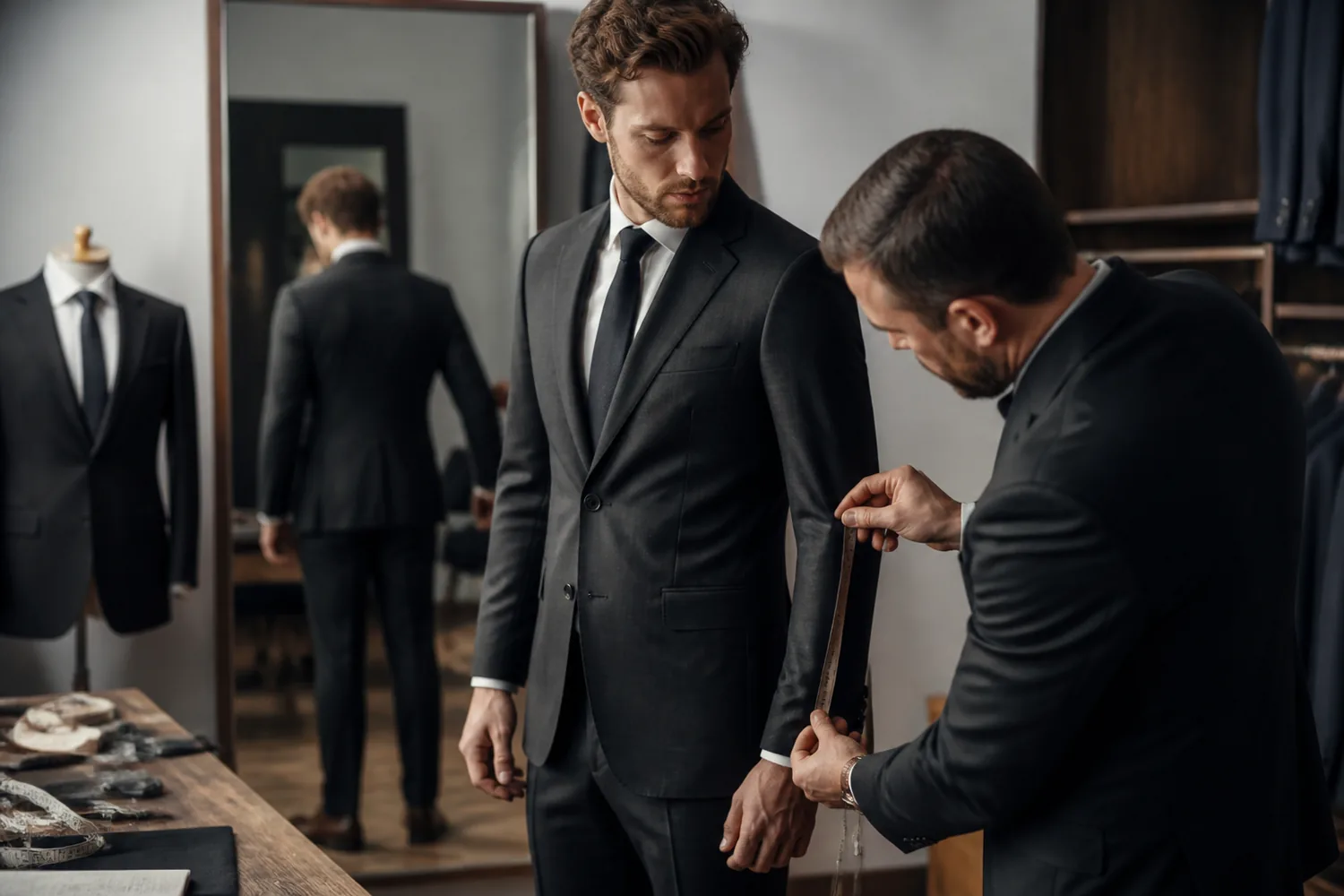
Which Suit Alterations Are Worth It (and Which Aren’t)? A Cost-vs-Benefit Guide
You have a suit that almost works. The trousers pool at the ankle, the jacket feels a little boxy, and the cut looks a few years out of date. Clothing alterations could rescue it, or they could turn into an expensive way of holding on to a garment that will never quite look right, and the difference usually comes down to a handful of judgements you can make before handing over any money.
This guide sorts common suit alterations into fixes that are usually worth paying for, fixes that only sometimes make sense and fixes that rarely do, so you can decide whether to alter, live with the flaw, replace the suit or go down the custom tailoring route. It deliberately avoids a universal price list, because costs vary with location, construction, cloth and complexity, but the reasoning holds wherever you are, including when you are resizing a suit after weight changes.
A cost-vs-benefit rule for clothing alterations
The core rule is simple. An alteration is usually worth it when the garment is structurally sound, the change is technically low-risk, and the total spend stays sensible against the suit's value and how often you'll actually wear it. If any one of those three fails, it's time to slow down.
Before committing, ask yourself three practical questions. Is the cloth in good condition, or is it shiny, thinning or bobbled at the seat, elbows and cuffs? Is there enough seam allowance, the spare fabric inside the seams, to make the change cleanly? And will the finished result look intentional, as though the suit was always cut that way, rather than patched together?
Then apply the false-economy test. Each individual fix may be perfectly possible, but if several small fixes together approach the cost or practical value of replacing the suit, the garment may not be worth altering at all. A suit that needs hemming, waist work, sleeves and suppression is effectively being rebuilt in instalments.
Value changes the maths too. Sentimental attachment, a rare or beautiful cloth, or a high-quality, well-constructed suit can justify more work than a cheap, worn or badly cut garment, because you're preserving something that can't easily be bought again.
Common suit alterations that are usually worth paying for
The fixes in this group share a pattern: they refine a suit that's already close to fitting, carry little risk and make a difference anyone can see. They sit within the wider field of alterations and restorations for bespoke suits.
Trouser hemming is one of the highest-value jobs a tailor does, because excess length bunching over the shoe makes even a good suit look sloppy, whereas a corrected break gives a cleaner line from hip to floor. Waist and seat adjustments are closely related and often worthwhile when the trousers are near the right size, since taking in or letting out a little stops sagging, pulling and bunching while making them far more comfortable to sit in.
Sleeve length deserves attention because it's one of the most visible fit details; ideally, a little shirt cuff should show. You get the best value when the work doesn't need complicated reconstruction, so plain cuffs are easier to deal with than working buttonholes that have already been cut, which can limit how far sleeves can be shortened from the cuff end.
On the jacket, waist suppression can give a boxy shape more definition, provided the shoulders, chest and length are already broadly right. Minor collar or neck-roll fixes are also worth considering when the problem is small, because cleaning up a ripple of fabric behind the neck noticeably sharpens the silhouette from behind and in profile.
Finally, button repositioning and simple tapering of trouser legs offer strong value when the aim is refinement. Moving a jacket button slightly can improve how the front closes, and a modest taper can bring a wide leg up to date without changing the garment's identity or size.
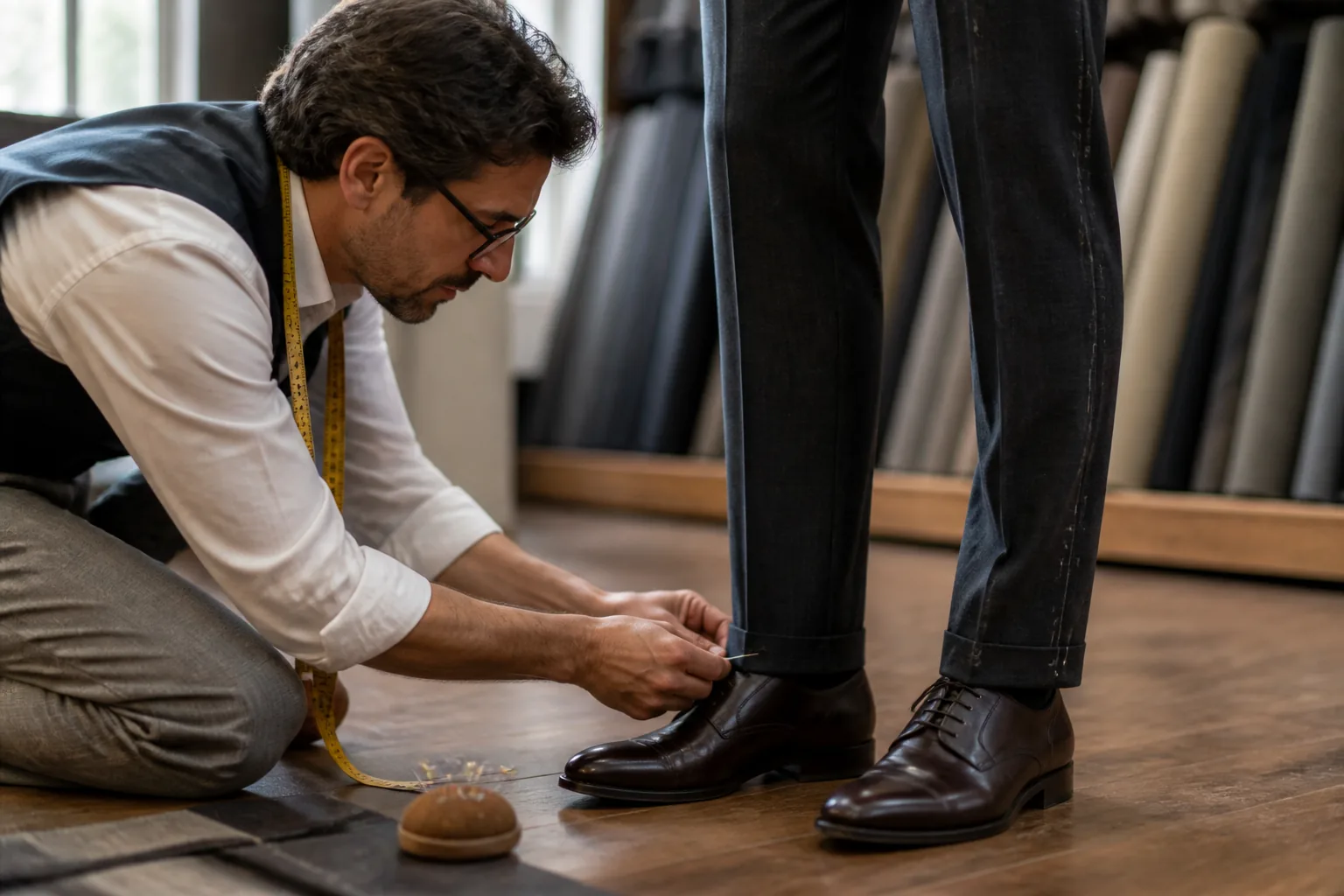
Alterations that are possible but only sometimes worth it
This middle category is where judgement matters most, because the same work can succeed in the right garment and disappoint in the wrong one.
Shortening a jacket can work in small amounts, but it risks disturbing pocket placement, button balance and overall proportion, so it's only worth considering when the change is modest. Narrowing the shoulders slightly may be possible in skilled hands, yet it's labour-intensive and risky because the shoulder line defines the whole jacket, which means the suit needs to be valuable enough to justify the hours. In the same way, changing the trouser rise or tapering heavily can compromise comfort, pocket position and drape, especially when the original cut is far from the shape you want.
Replacing a lining can be a sensible investment on a quality jacket whose outer cloth is still sound. On a low-value suit whose fabric, canvas or seams are already tired, though, a fresh lining simply dresses up a garment that's wearing out.
Patterned cloth adds another layer of difficulty. Checks, stripes and plaids need to line up across seams, and if a tailor can't preserve that matching, the result may look obviously altered. Recutting an older silhouette follows the same logic: updating a well-made suit with sensible tweaks is reasonable, but trying to turn a dated cut into a completely different modern one usually asks too much of the original pattern.
Alterations that usually aren't worth the money
Some changes are technically possible but rarely pay off, because they fight the garment's underlying structure, which is why it helps to understand what a tailor can and can't do before committing to any work.
Major shoulder changes top the list. The shoulders govern the jacket's structure, sleeve pitch and balance, so if they're badly wrong, you're usually looking at the wrong suit rather than a fixable one. Changing armholes is poor value for similar reasons, since it involves major reconstruction and can affect movement, how the sleeves hang and how comfortable the jacket feels. Drastic changes to jacket length rarely work either, because they throw off proportions, pocket placement and visual balance all at once.
Making a suit much larger is limited by seam allowance and available cloth, and even when it can be done, the garment often ends up looking strained or visibly compromised. More broadly, converting a fundamentally wrong size or cut isn't a smart alteration project; tailoring refines a near fit, but it can't remake every design decision.
The most common trap is trying to modernise a cheap, worn-out or shiny suit through a string of fixes. Even after the money is spent, the finished result may still look tired, which is false economy at its clearest.
Get a tailor's assessment before you commit
Before authorising any work, take the suit to a skilled tailor for an honest assessment, particularly if it needs more than one alteration. A good tailor will tell you when a job isn't worth doing, and that advice can save you more money than any single fix.
Ask them to check the condition of the cloth, lining and seams, how much seam allowance remains, the jacket's balance, whether any pattern can still be matched, and whether the original cut genuinely supports the change you want. Then make the call with a simple framework:
1. Alter if the suit is good quality and already close to fitting.
2. Pause and weigh it up if the work is complex but the garment has real value, financial or sentimental.
3. Replace it, or commission a custom-made suit, if the size, cut or condition is fundamentally wrong.
If you'd like more guidance on fit, alterations and made-to-measure decisions, the Patrick & Co Tailors blog (patrickcotailors.com/blog) covers these topics in more depth.
In short, the best suit alterations sharpen a garment that's already close, while the worst ones try to force a poor suit into being something it was never built to be, which is when it makes more sense to invest in a made-to-fit suit instead.